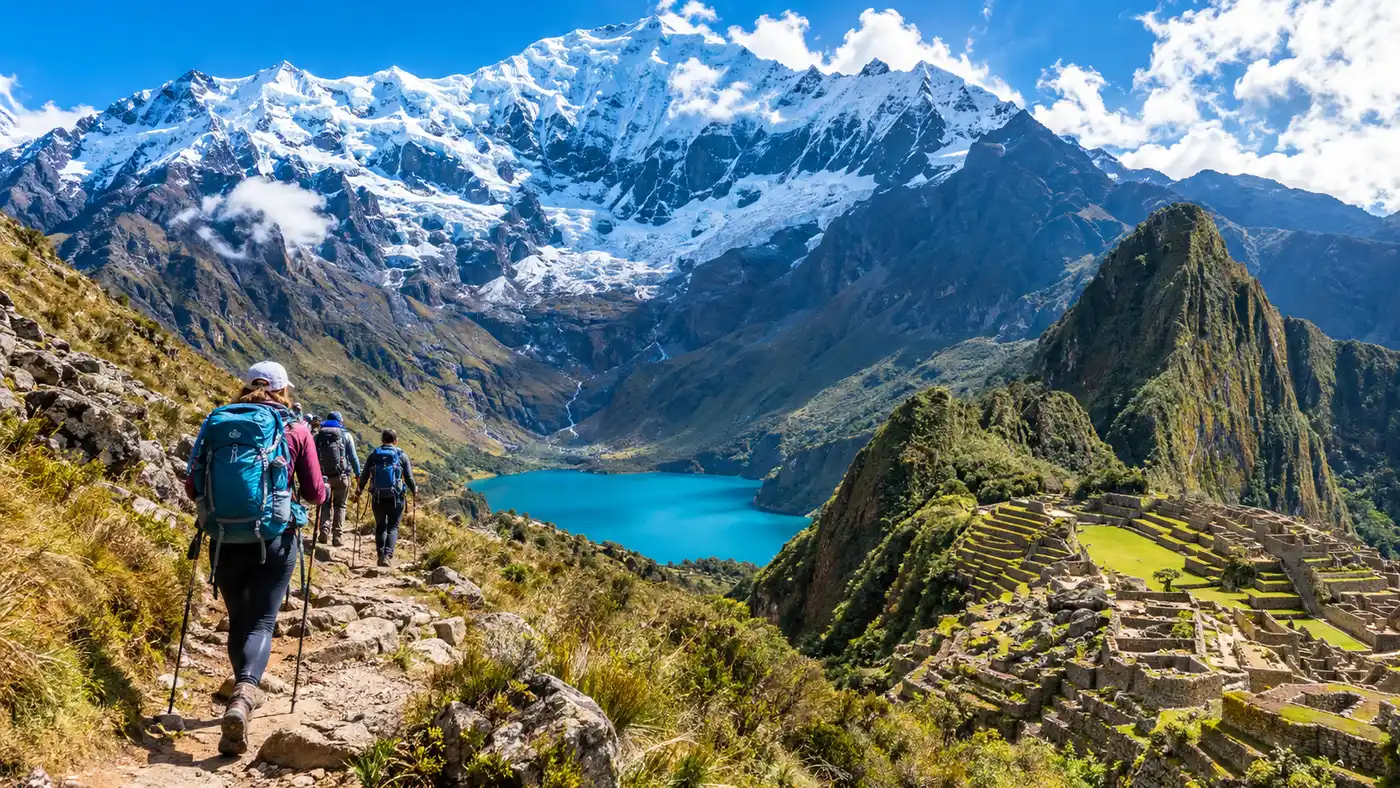
Salkantay Trek Cost, Prices, and Budget Guide
Planning your route across the high Andes toward the cloud forest usually starts with a single question: what will this actually pull out of your bank account? You will hear wild claims in Cusco hostels about people doing the five-day mountain route for pennies, while high-end travel agencies quote thousands of dollars for glass domes and wine pairings. Calculating your real salkantay trek cost comes down to how much comfort you require, whether you want an organized team packing your bags, and how much logistical legwork you are willing to handle alone.
Every dollar you spend on this trail maps directly to peace of mind, time saved, or warm food waiting for you at 3,900 meters. The walk is stunning. It is also physically relentless, and saving twenty bucks on a bad sleeping bag will ruin your entire week. Let us pull apart the actual numbers, from shoestring self-guided trips to mid-range group tours and high-end mountain lodges, so you can budget your hike without nasty surprises in Aguas Calientes.
Book your salkantay trek to machu picchu experience:
Average Salkantay Trek Price Across Different Travel Styles
The price tag swings wildly depending on where and when you hand over your cash. If you book an agency online six months before landing in Peru, you will pay a steep markup for early certainty. If you stroll around Cusco's Plaza de Armas with cash in your pocket two days before departing, that same group departure drops dramatically in price. Then there is the completely independent route, which cuts out tour margins entirely.
For most hikers, the classic organized group trek booked locally in Cusco sits between $220 and $380 per person for a five-day itinerary. That package generally covers your guide, pack mules, basic meals, camping or simple dome stays, entrance tickets to Machu Picchu, and your return transport back to the city. If you look online ahead of time, premium operators charge between $500 and $850 for similar itineraries, though they usually throw in nicer sleeping gear, smaller group sizes, and better train times.
| Trek Style | Average Cost (USD) | What It Covers | Best For |
|---|---|---|---|
| Self-Guided | $130 - $210 | Local vans, campsite fees, basic meals, trail food, standard entry ticket | Experienced backpackers on a tight budget |
| Budget Agency (Booked in Cusco) | $220 - $350 | Transport, guide, mules, cook, basic domes/tents, Machu Picchu ticket, train back to Ollantaytambo | Solo travelers wanting low costs without carrying heavy camping gear |
| Mid-Range Operator (Booked Online) | $500 - $800 | Smaller groups, private campsites, higher quality meals, panoramic trains, better safety gear | Hikers who want confirmed dates, clear communication, and solid comfort |
| Luxury Lodge-to-Lodge | $2,400 - $4,100 | Private heated mountain lodges, hot tubs, gourmet meals, private guides, luggage transfers | Travelers who want wilderness scenery paired with luxury hotel standards |
A luxury lodge-to-lodge journey operates on an entirely different economic planet. Mountain Lodges of Peru runs heated stone chalets with outdoor jacuzzis facing the glaciers, fine dining, and massage services. You will drop thousands of dollars for that privilege, but for wealthy hikers who hate sleeping on frozen ground, it remains one of the premier wilderness hotel circuits in South America.
Salkantay Trek to Machu Picchu Self Guided: What Does It Actually Cost?
Many independent hikers ask: can you hike machu picchu without a guide? Yes, absolutely. Unlike the strictly regulated Classic Inca Trail, where state regulations mandate licensed guides and porters, the Salkantay trail crosses public mountain passes, communal grazing land, and municipal dirt roads. You are legally allowed to lace up your boots, load a 50-liter backpack, and walk the whole thing without an agency holding your hand.
Choosing a salkantay trek to machu picchu self guided route cuts out operator fees, but you inherit every bit of logistics. A self-supported trekker pays roughly $130 to $210 total, depending on whether you camp or sleep in family-run refugios. Transport from Cusco to Mollepata costs about 20 soles (roughly $5.50) in a shared collective van from Arcopata station, followed by another 15 soles to reach the trailhead at Challacancha. Campsite fees along the route run between 10 and 20 soles per tent per night, often payable to local families who maintain clean outhouses and patch together flat dirt clearings.
Note: You must purchase your Machu Picchu entrance ticket months in advance through the official government portal, even if you are hiking independently. Local families on the mountain cannot sell you park access tickets, and you will be turned away at the gate if circuits are sold out.
Eating along the trail without a guide is surprisingly cheap if you stick to rustic valley shelters. Local homestays in places like Soraypampa, Chaullay, and Lucmabamba sell set lunches and dinners - usually noodle soup followed by rice, eggs, and fried plantains - for 15 to 25 soles ($4 to $7). If you carry your own stove, fuel canisters cost 25 soles in Cusco, though high altitude burns through gas fast. You can compare different sleeping setups in our guide to Salkantay Trek accommodations before deciding whether to pack a heavy tent.
Hidden Expenses in Your Salkantay Trek to Machu Picchu Cost
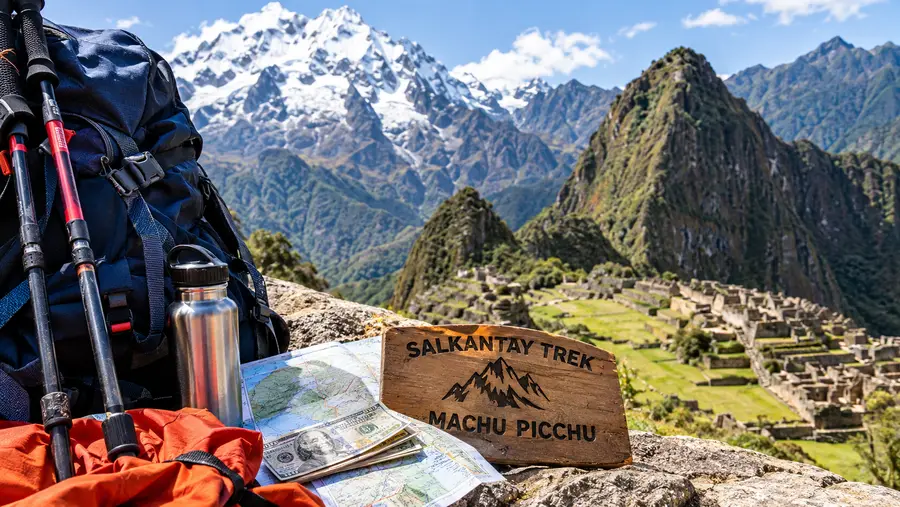
Budget travel brochures love to leave out the nickel-and-dime realities of mountain life. You might sign up for a $280 tour thinking your spending is done, only to blow through 300 soles of pocket cash before reaching the ruins. The salkantay trek price listed on a agency window almost never accounts for small, unavoidable daily fees that stack up quickly along the trail.
- Warm showers on the trail: Campsite hosts charge 10 to 15 soles for five minutes of gas-heated water, and when the temperature drops to freezing at Soraypampa, you will pay it without hesitation.
- Device charging fees: Remote refugios running off small solar arrays or noisy generators charge 5 to 10 soles per phone or camera battery.
- Snacks and hydration: A bottle of water costs 2 soles in Cusco, but the price jumps to 8 or 10 soles once a mule hauls it over a 4,600-meter mountain pass; carrying purification tablets saves you 40 soles over the week.
- Cocalmayo hot springs: Entrance to the thermal pools near Santa Teresa runs 10 soles for foreigners, plus 15 soles for shared taxi rides each way from the trail junction.
- Aguas Calientes shuttle bus: The switchback bus from town up to the ruins costs $12 each way. Walking the steep stone stairs is free, but your legs will already be worn down from four days of continuous hiking.
- Crew tips: Standard trekking etiquette suggests pooling 100 to 150 soles per hiker to split among your cook, wranglers, and mountain guide on the final evening.
Trekking pole rentals also catch people off guard. Agencies charge around $15 to $20 to rent a pair for the week. If you plan on tackling the steep descents through rocky scree, poles are essential. Skipping them to save pocket money is a fast route to blown knees, especially along the brutal 1,800-meter drop from the pass down into Huayracmachay.
Book your salkantay trek to machu picchu experience:
Tips for Doing the Salkantay Trek to Machu Picchu Cheap
Cutting your salkantay trek to machu picchu cost down to the bone requires flexibility and a bit of street sense. The single best way to find a salkantay trek to machu picchu cheap is to book your tour in person in Cusco, assuming you are traveling outside the absolute peak months of June, July, and August. Dozens of small operators along Calle Plateros and around the Plaza de Armas fill empty slots for next-day departures at steep discounts.
Pro tip: Always ask to see pictures of the specific campsites and confirm in writing whether your return transport is the direct PeruRail train or the bone-rattling seven-hour minivan ride through Hidroelectrica.
How you travel back to Cusco makes the biggest difference to your bottom line. The tourist train from Aguas Calientes to Ollantaytambo costs anywhere from $65 to $110 for a one-way ticket. Backpackers who want to shave $80 off their total bill skip the train entirely. Instead, they walk the flat dirt path along the railway tracks from Aguas Calientes back to the Hidroelectrica train station, a three-hour hike through lush forest. From Hidroelectrica, shared passenger vans take travelers back to Cusco for about 40 to 50 soles ($11 to $14). It is a long, winding road along sheer cliffs, but it is dramatically cheaper than train transit.
You can also save cash by tweaking the duration of your trip. Reviewing a detailed Salkantay Trek 5-Day itinerary helps you see where days are padded out with downtime. Many operators offer four-day versions that skip the relaxed coffee plantation stays in Santa Teresa, cutting one full day of food, guide wages, and lodging from the baseline bill.
Building a Realistic Budget for Hiking to Machu Picchu Salkantay Trek
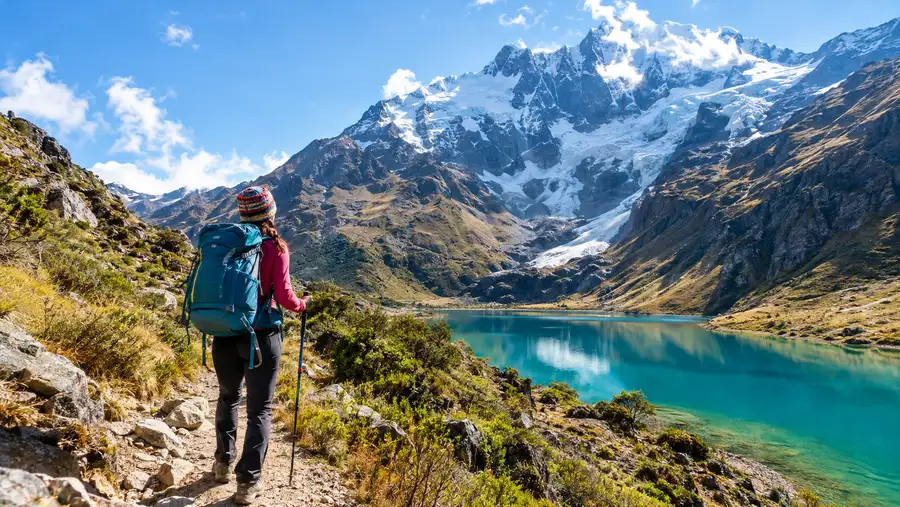
Planning your finances requires balancing your fixed gear costs against daily trail outlays. If you do not already own a lightweight down jacket, sturdy broken-in boots, and a comfortable daypack, purchasing or renting gear in Cusco will add to your tally. Renting a warm sleeping bag rated to -10°C runs roughly $20 for five days from reputable gear shops in the San Blas neighborhood, which is far cheaper than buying an expensive winter bag you might never use again.
- Cash reserves: Carry at least 400 Peruvian Soles in small denominations (10 and 20 soles notes) because small village stalls cannot break 100-sol bills.
- Machu Picchu circuits: Basic Circuit 1 and 2 tickets cost 152 soles (roughly $41 USD), while mountain climb tickets like Huayna Picchu push the entry fee to 200 soles.
- Trail treats: Set aside 15 soles daily for high-calorie snacks like salted peanuts, chocolate bars, and fresh bananas sold by valley families along the trail.
- Luggage storage: Most Cusco hostels will hold your primary suitcases for free while you are on the mountain, saving you luggage locker fees.
Honestly, trying to shave every last coin off your trek budget often leads to miserable decisions. Freezing inside a paper-thin rental tent at 4,000 meters because you saved $30 on a tour operator is a terrible trade. Aim for value over raw thrift. When an agency includes quality down mats, warm dining tents, and porters who are paid fair local wages, spending that extra $100 transforms an exhausting ordeal into one of the best weeks of your life.
Frequently Asked Questions about salkantay trek cost
Is the Salkantay Trek cheaper than the Classic Inca Trail?
Yes, significantly cheaper. The Inca Trail requires strict government permits, licensed guides, and registered porters, keeping prices high, usually between $700 and $1,200. Salkantay has no permit quotas, meaning you can do it with an agency for as low as $250 or self-guided for around $150.
Do Salkantay Trek prices include the Machu Picchu ticket?
Nearly all organized group tours include the standard Machu Picchu entrance ticket in their base price. Always verify which specific circuit ticket they are purchasing for you, because recent government rules restrict access routes across the ruins.
How much cash should I carry on the trail?
Bring 350 to 500 soles in cash per person. There are zero working ATMs between Mollepata and Aguas Calientes, and trail vendors, hot springs, toilet facilities, and campsite hosts only accept physical cash in local currency.
Quick Reference
- Budget tour cost: $220 - $350 (booked locally in Cusco)
- Self-guided cost: $130 - $210 (tent camping and rustic meals)
- Online operator price: $500 - $850 (pre-booked, higher comfort)
- Hidroelectrica van alternative: saves $60 - $90 versus train
- Trail cash needed: 350 - 500 PEN in small bills
Book your salkantay trek to machu picchu experience:
The Bottom Line
Trekking past the ice face of Mount Salkantay down into the tropical coffee valleys does not require an immense bank balance, but it does demand clear-eyed planning. A sensible budget for hiking to machu picchu salkantay trek lands around $300 to $400 for a solid, locally booked guided trek with decent food and basic comforts, or roughly $180 if you prefer to shoulder your own pack and navigate independently. Decide what level of physical suffering you find enjoyable, withdraw your soles from a reliable bank ATM in Cusco before leaving, and invest your money where it counts: staying warm, staying safe, and enjoying the majesty of the trail.
Read more about salkantay trek to machu picchu.