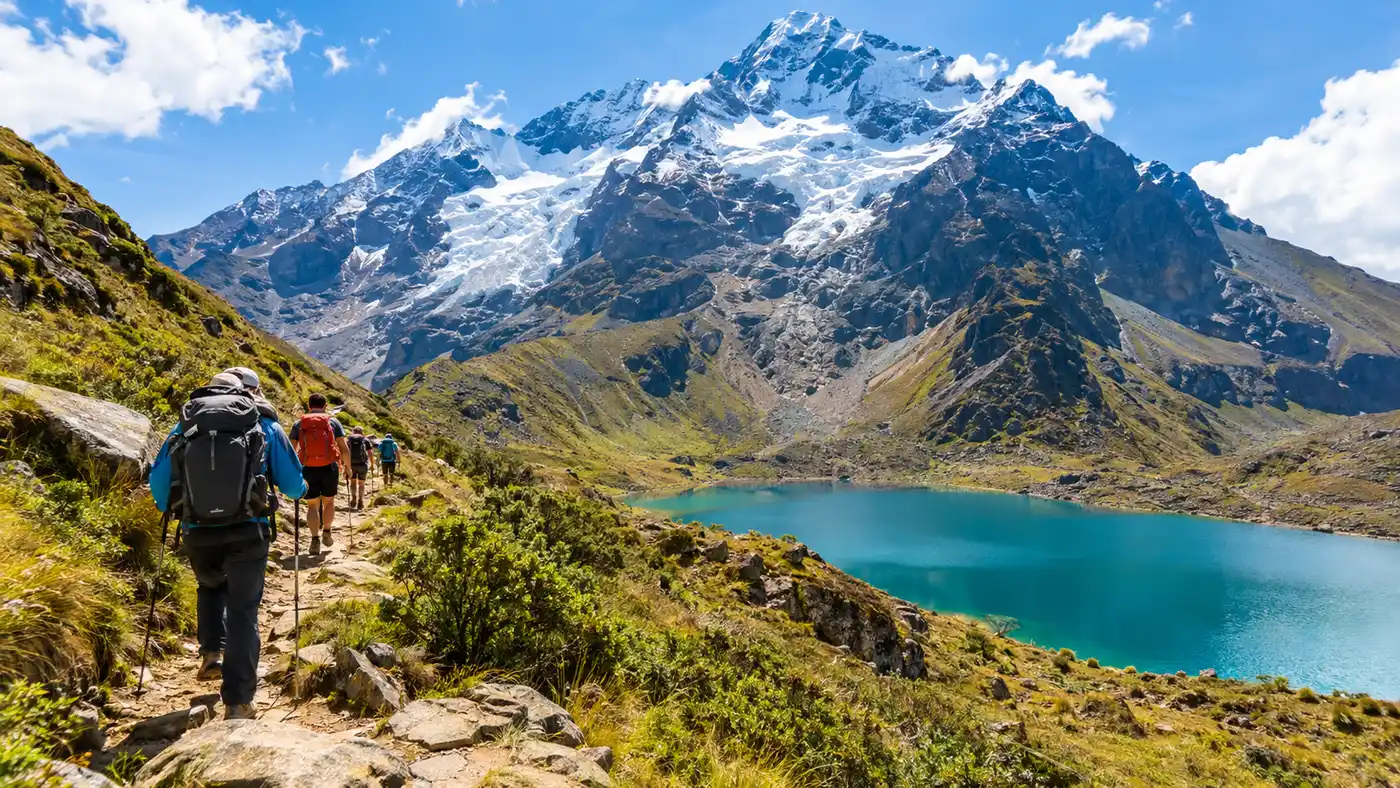
Best Time to Hike the Salkantay Trek
Discover the best time to do Salkantay Trek with our monthly weather guide. Compare dry and shoulder seasons to find …
Continue Reading →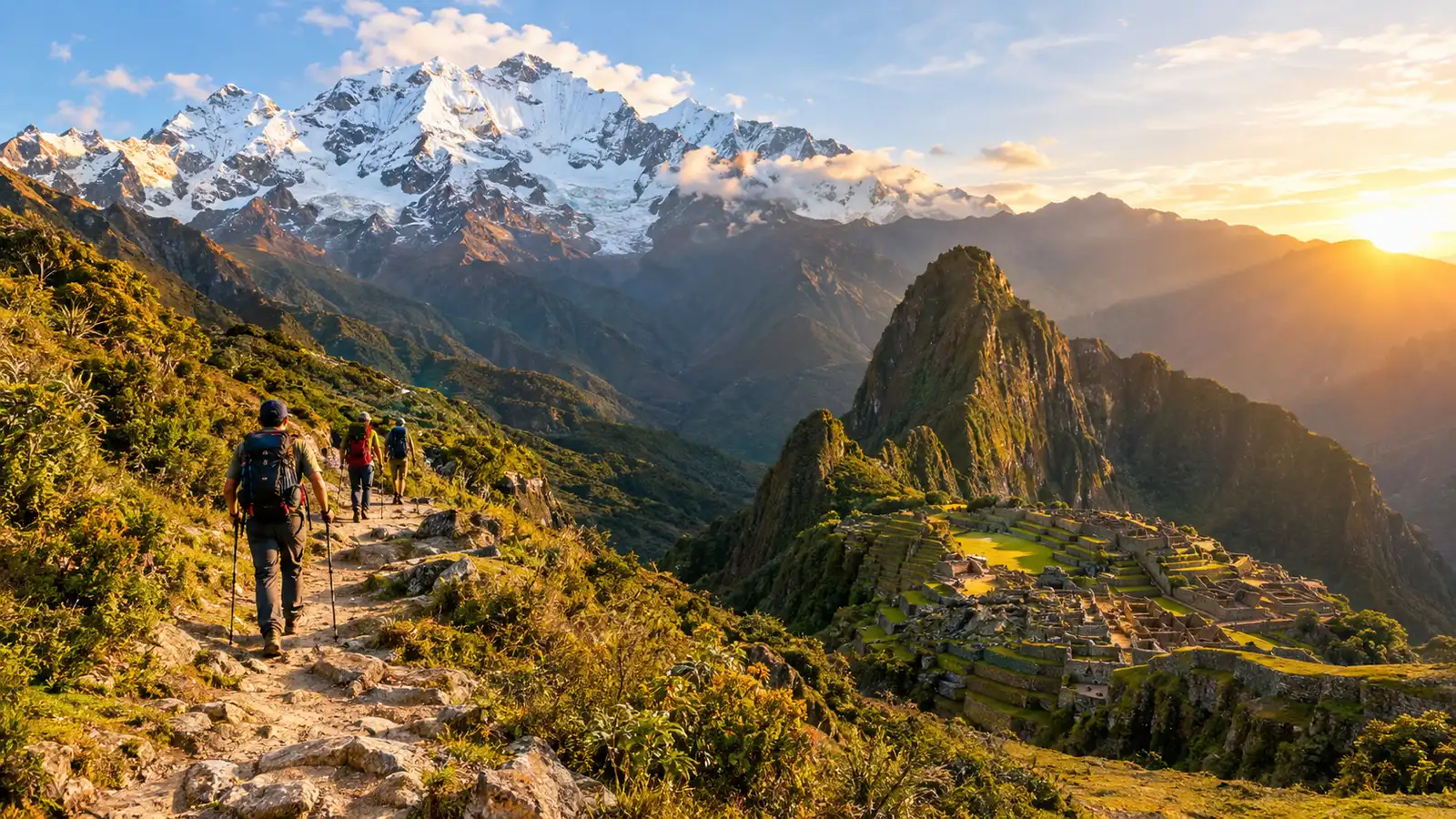
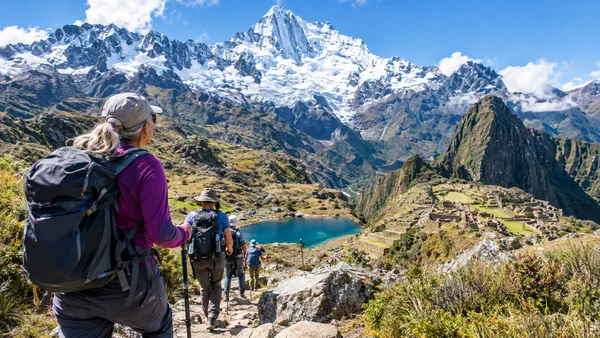
Walk from snow-dusted Andean ridges down into the high jungle, then finish at the ruins of the lost citadel. A rugged alternative route across Peru.
Discover what makes salkantay trek to machu picchu unforgettable.
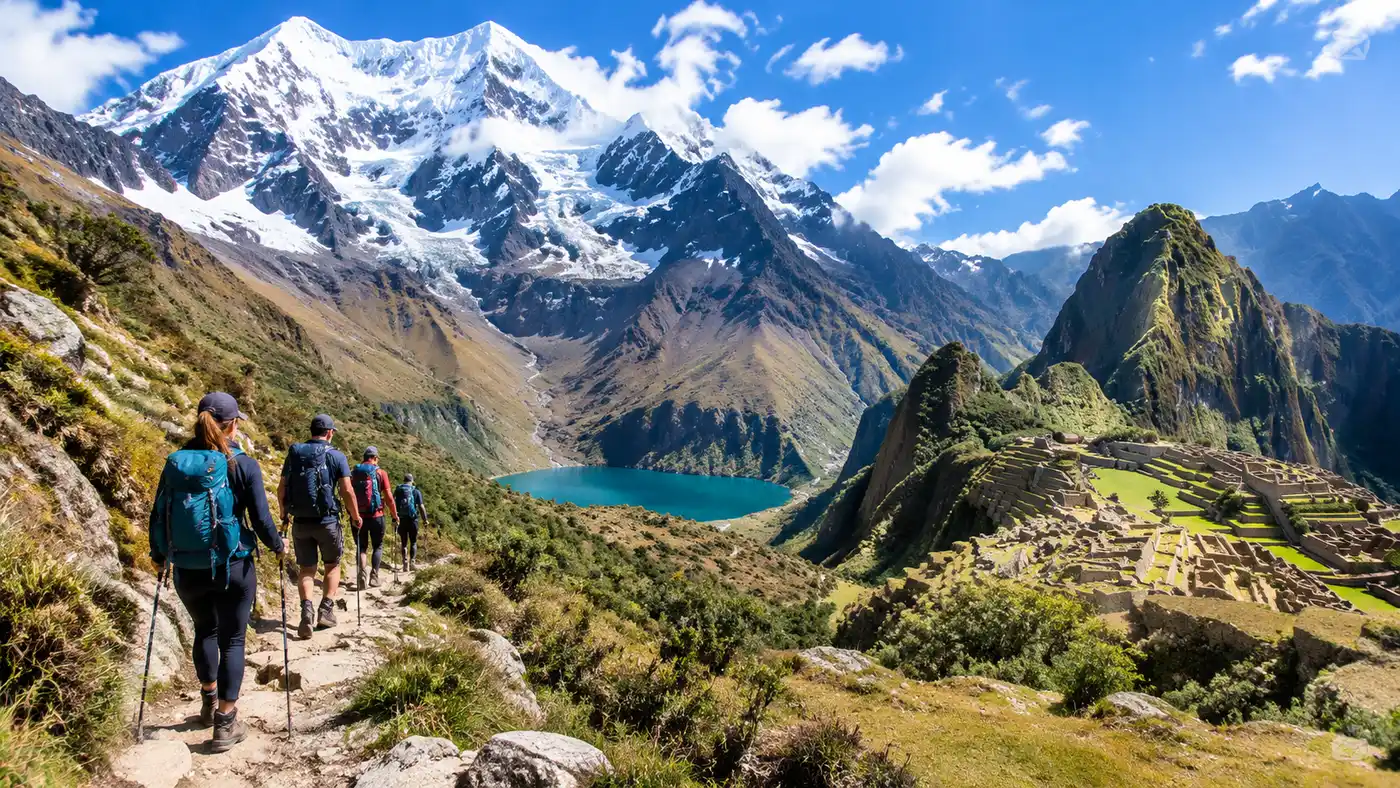
Cross the high pass on day two, follow the roaring Santa Teresa river downhill, and reach the Sun Gate refreshed. Each night brings a completely different microclimate, from frozen alpine huts to humid valley camp spots.
Learn more →
Spend at least 48 hours acclimatizing in Cusco before lacing up your boots. Sturdy hiking poles, merino layers, and broken-in waterproof boots make the long descents manageable on sore knees.
Learn more →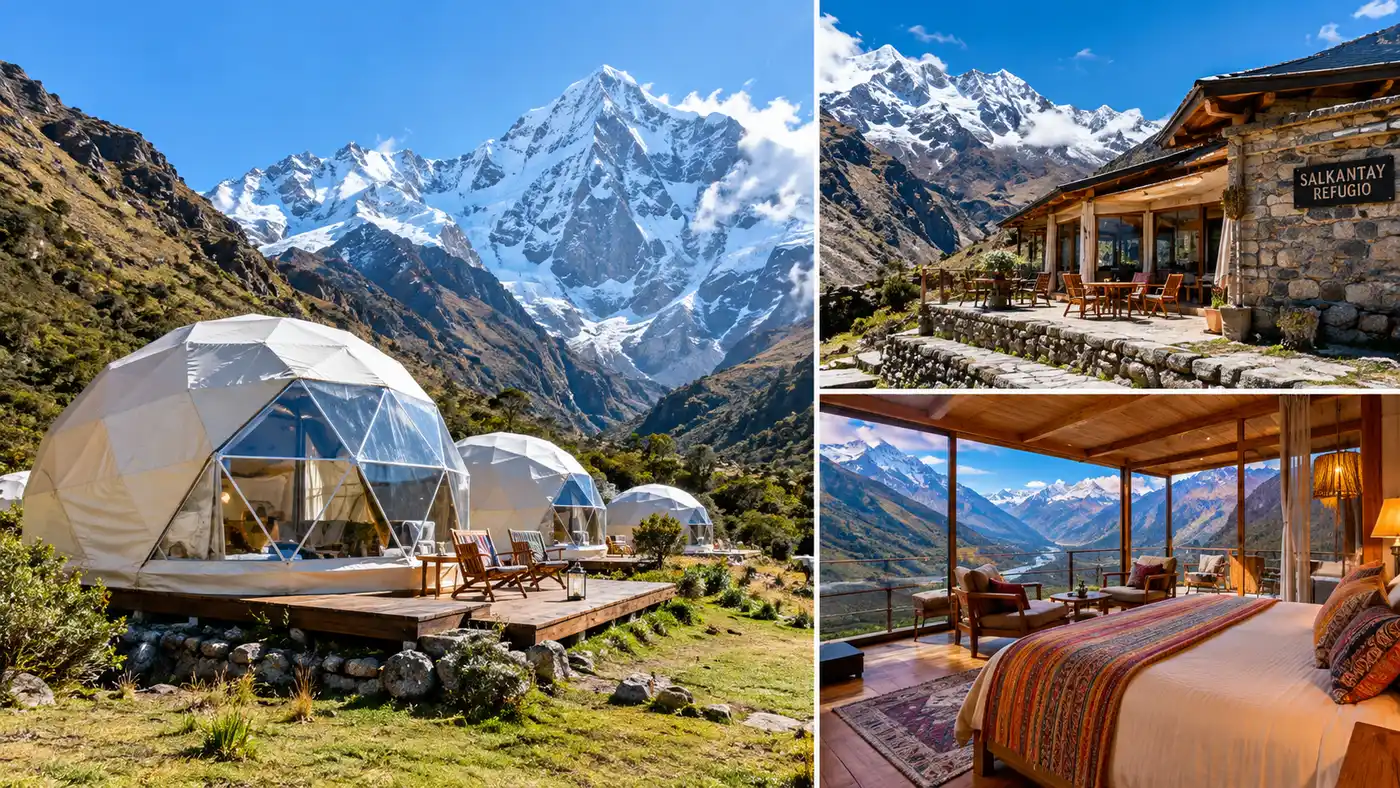
You can trek independently carrying your own stove or arrange a local team with horse wranglers and a cook. Transparent pricing helps you budget properly for gear rentals, entrance tickets, and transport back.
Learn more →What to expect from arrival to departure.
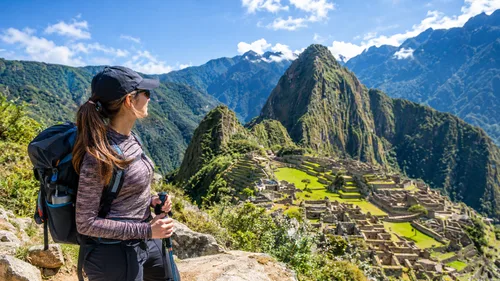
Board an early morning van to Mollepata, eat a warm bowl of quinoa soup, and continue to the trailhead at Challacancha.
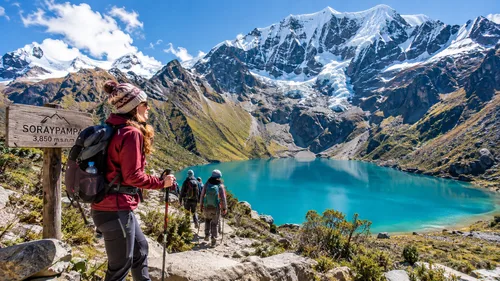
Follow the ancient water canal gently uphill to the base camp, then tackle the steep side trail up to turquoise Lake Humantay.
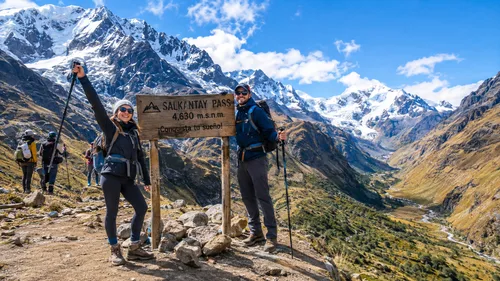
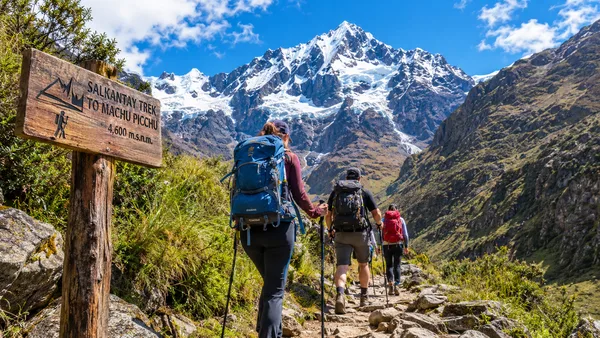
Climb the rocky switchbacks in the crisp morning chill to stand beneath the glacier before dropping thousands of feet toward Chaullay.
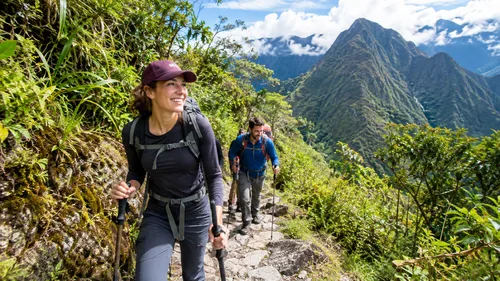
Walk alongside waterfalls and small granadilla plantations, stopping at local rest houses for fresh granadilla or roasted coffee.
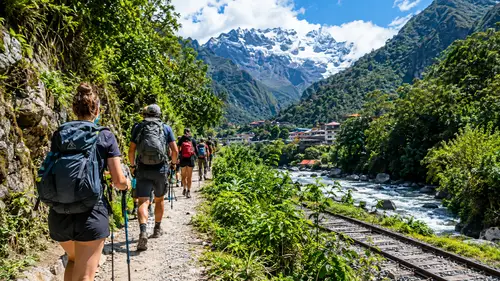
Trek the flat, shady dirt track beside the railway line, following the Urubamba River straight into Aguas Calientes.
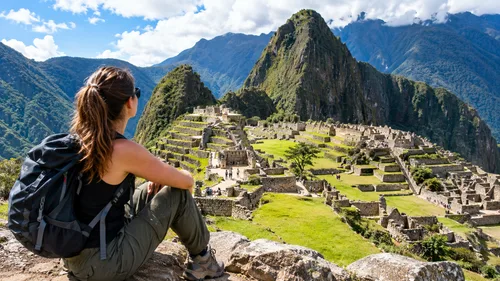
Catch the dawn shuttle or climb the stone stairs up to the ruins before boarding your evening train back toward the Sacred Valley.
The classic route out of Mollepata takes you directly into the shadow of Mount Salcantay, a peak Quechua communities revere as a protective mountain lord. You begin walking across dry, windy scree where pack mules kick up pale dust in the thin air. By the third morning, the landscape drops into warm cloud forest where wild orchids cling to mossy trunks and local farmers pick ripe passion fruit along the path.
Unlike the stone-paved Inka trail, this footpath delivers sheer ecological contrast. You cross glacial meltwater below hanging ice sheets at dawn, then spend the following afternoon swimming in the thermal pools of Cocalmayo near Santa Teresa. It demands honest physical stamina, particularly when grinding up the Seven Snakes switchbacks toward the summit pass, but the reward is space to breathe.
Finishing with a quiet approach along the train tracks toward Aguas Calientes lets you see the sanctuary from below before stepping inside the stone gates. It remains one of the finest options for hiking in Peru, blending raw terrain, farm-cooked trout dinners, and the ancient stone work of the Andes.
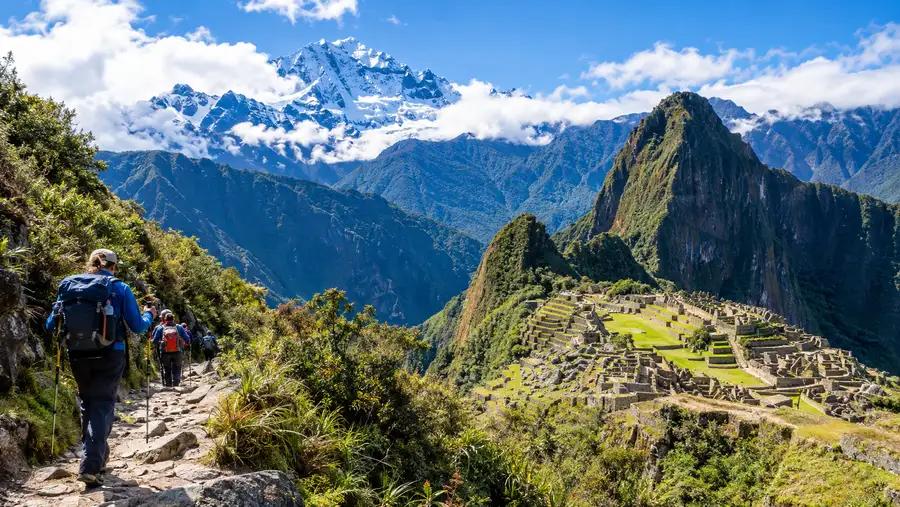
Waking up at 4:30 AM in Soraypampa was bone-chilling, but seeing the morning sun hit the glacier face made every single switchback worth the effort.
The change in landscape stunned us. We went from shivering in down jackets near the summit pass to picking wild passion fruit in the afternoon sun.
Very tough on the knees descending through the rocky scree after the pass. Bring good trekking poles and take your time on the loose stones.
The dip in the Cocalmayo thermal springs after four days of hard walking felt incredible. Our camp cook made delicious trout that rivaled Cusco restaurants.
Compare options and book directly below.
Covers your historic sanctuary entrance ticket, basic train back to Ollantaytambo, and local bus transit without a guided party.
Includes professional guide, horse support for 5 kg of personal luggage, hearty trail meals, campsite fees, and transfers.
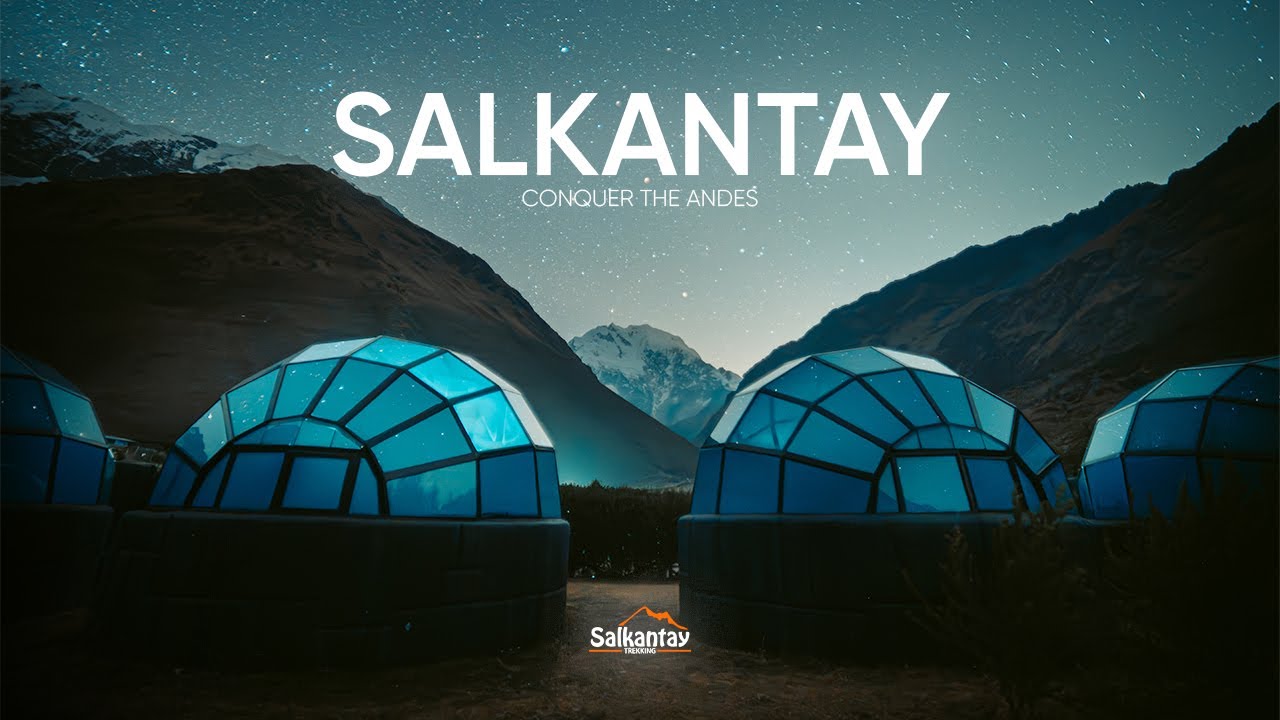
Features private transport from your Cusco hotel, private guides, glass-domed mountain shelters, and flexible pacing.
Everything you need to know before visiting salkantay trek to machu picchu.
Hours: The trail itself is accessible during daylight hours (typically 5:00 AM to 5:00 PM); the final destination, Machu Picchu Citadel, is open daily from 6:00 AM to 5:30 PM
| Independent Trekker (machu picchu entry + return train) | $152 |
| Standard Guided Group (all-inclusive 5-day agency tour) | $430 |
| Private Trekking Experience (custom dates & boutique dome camps) | $890 |
📍 Trailhead at Challacancha / Mollepata, Anta Province, Cusco, Peru (ending at Machu Picchu, Urubamba Province, Cusco, Peru)
See it before you go.
Worth combining with your salkantay trek to machu picchu visit.
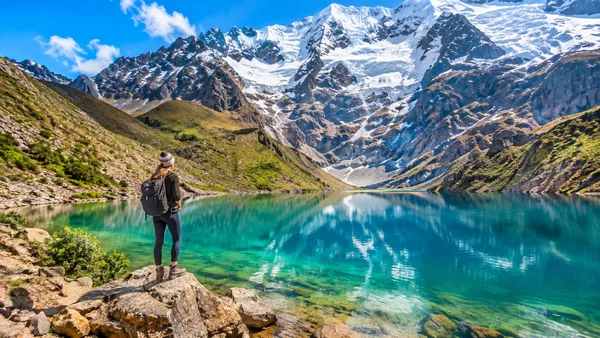
A brilliant green-blue glacial tarn nestled beneath towering hanging ice cliffs.
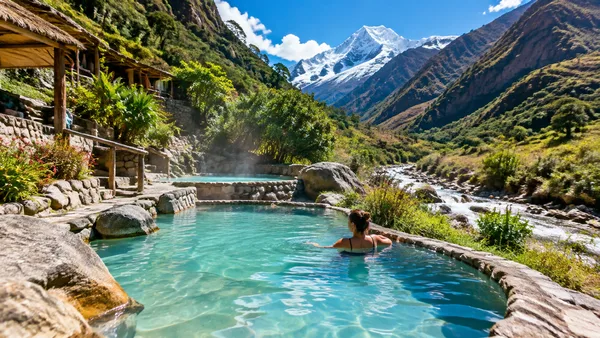
Natural outdoor thermal pools built into the canyon wall below steep jungle slopes.
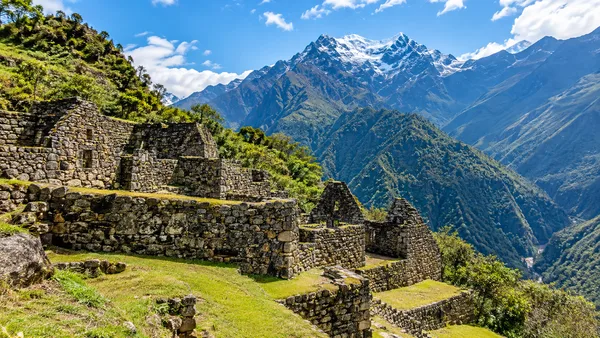
Overgrown Inka stone ruins offering a rare direct viewpoint across the valley toward the citadel.
Salkantay Trek to Machu Picchu welcomes all visitors with accessibility features and family-friendly amenities.
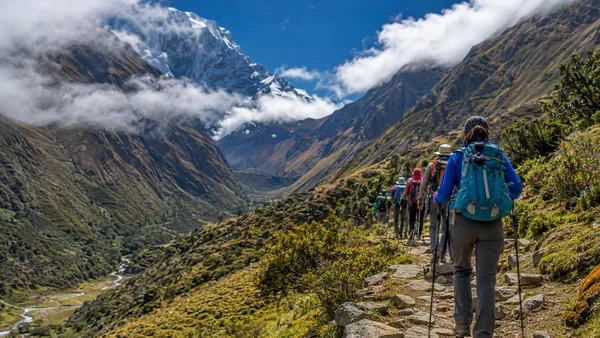
The path is rough and rocky with steep gradients. It is not suitable for wheelchairs or visitors with restricted mobility.
Active teenagers adapt well to the walking days, but the freezing nights and long distances make it difficult for young kids.
Guides speak English and Spanish, while mule drivers and roadside fruit sellers often speak fluent Southern Quechua.
Emergency horses are available for hire through local wranglers on the steep ascent up to the main pass.
Dive deeper into salkantay trek to machu picchu.
Discover the best time to do Salkantay Trek with our monthly weather guide. Compare dry and shoulder seasons to find …
Continue Reading →
Complete guide to the Salkantay Trek 4 days route to Machu Picchu. Detailed daily itinerary, elevations, packing advice, …
Continue Reading →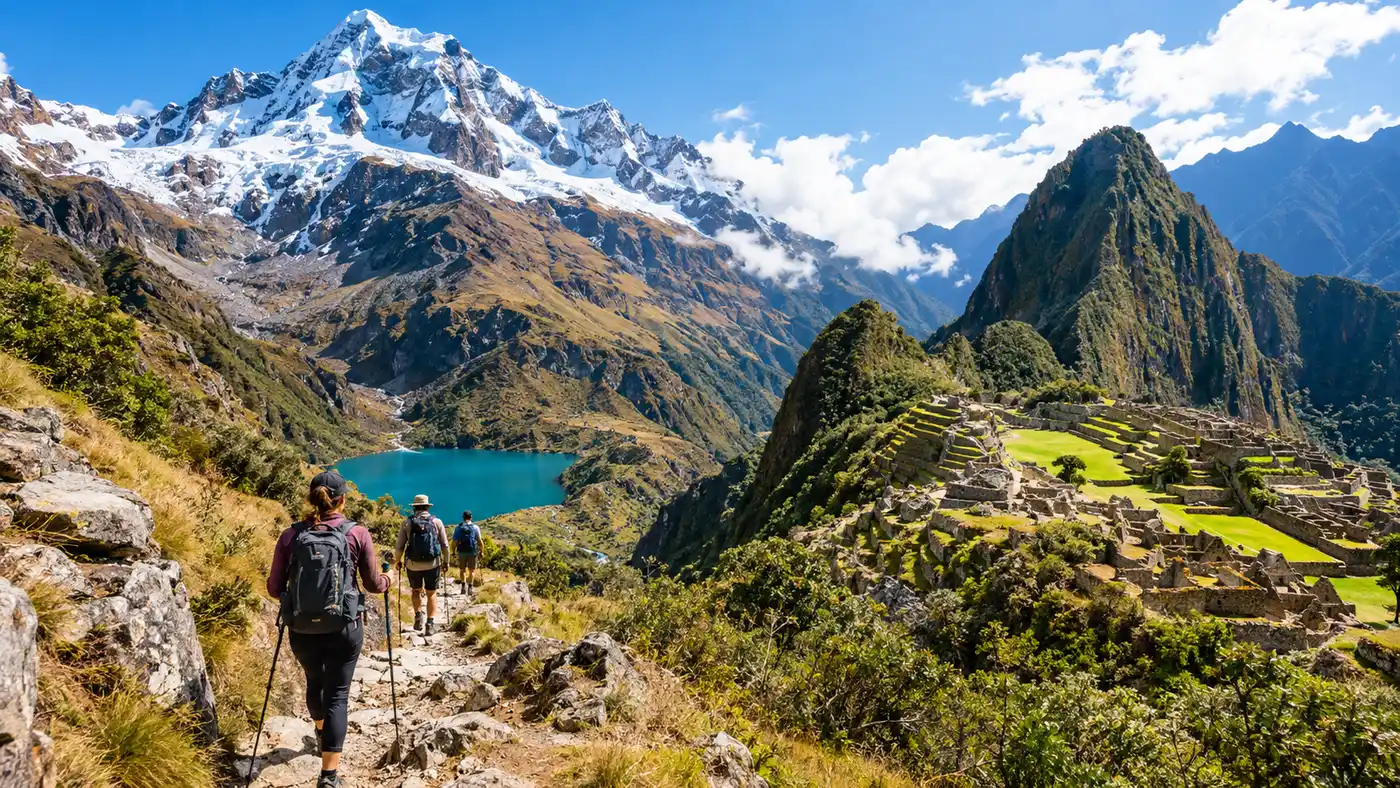
Complete 5 day salkantay trek itinerary: daily trail distances, elevation profiles, expert hiking tips, and logistics …
Continue Reading →
Compare Salkantay Trek accommodations: rustic family refugios, scenic sky domes, and luxury mountain lodges. Honest …
Continue Reading →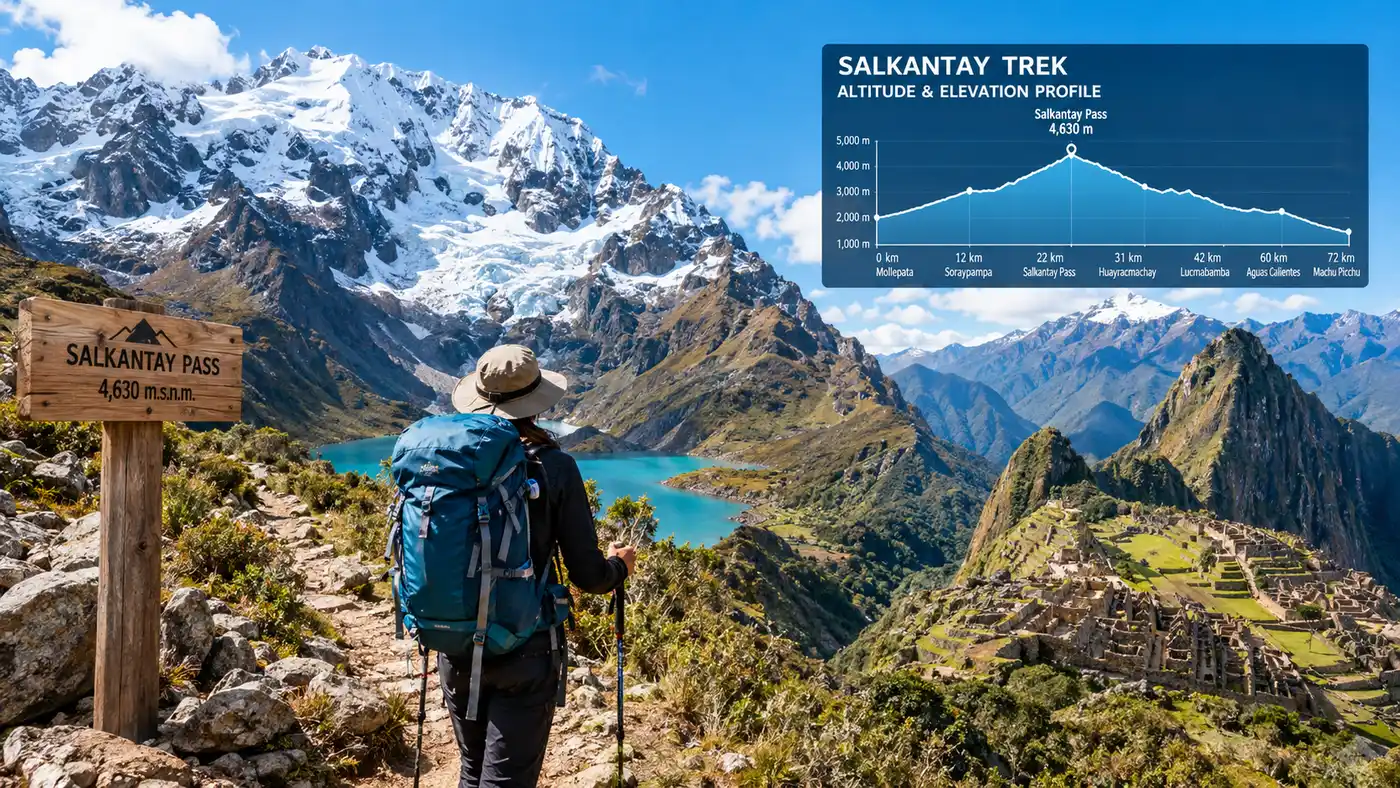
Master the Salkantay Pass elevation and trek profile. Discover altitude tips, trail stages, and survival advice for …
Continue Reading →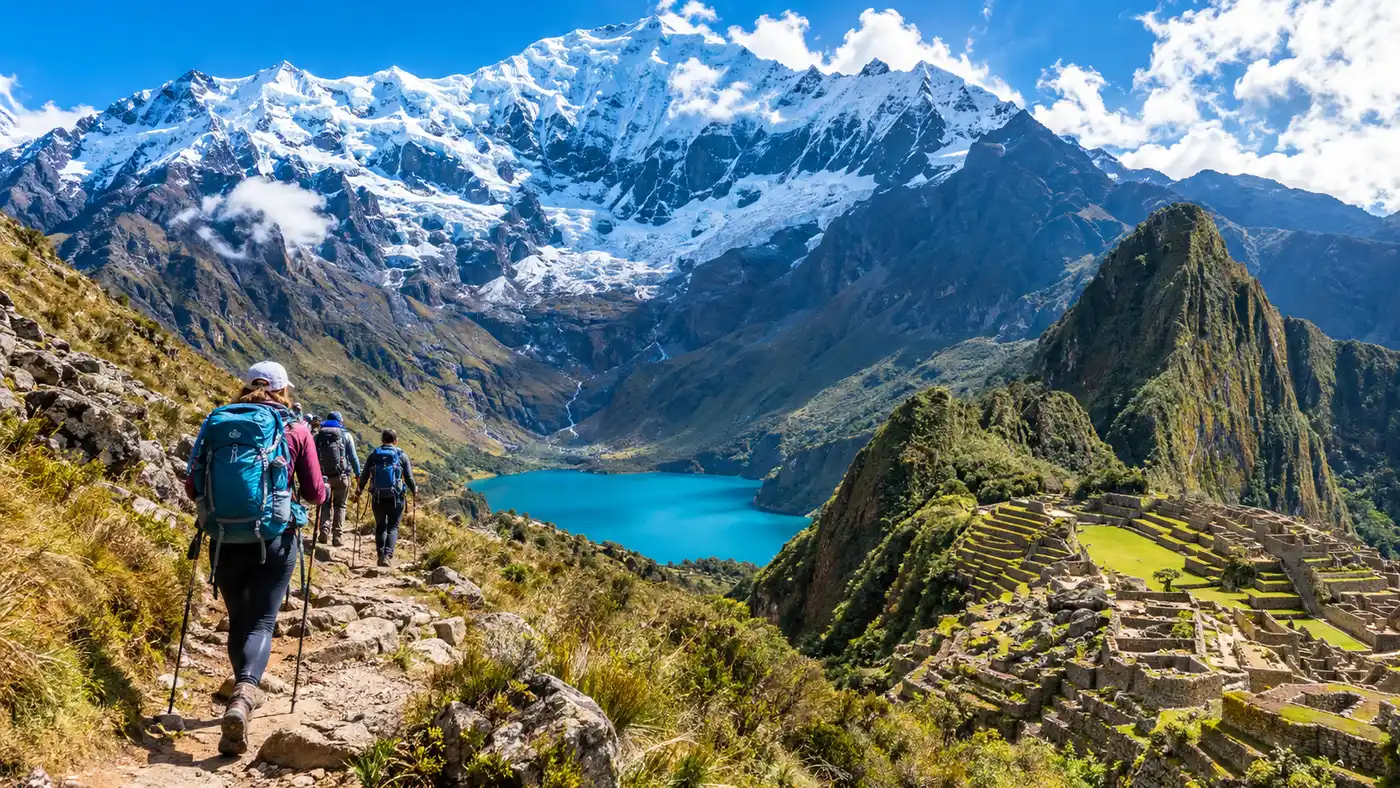
Plan your Salkantay Trek cost with our honest budget guide. Compare self-guided, local agency, and luxury prices, plus …
Continue Reading →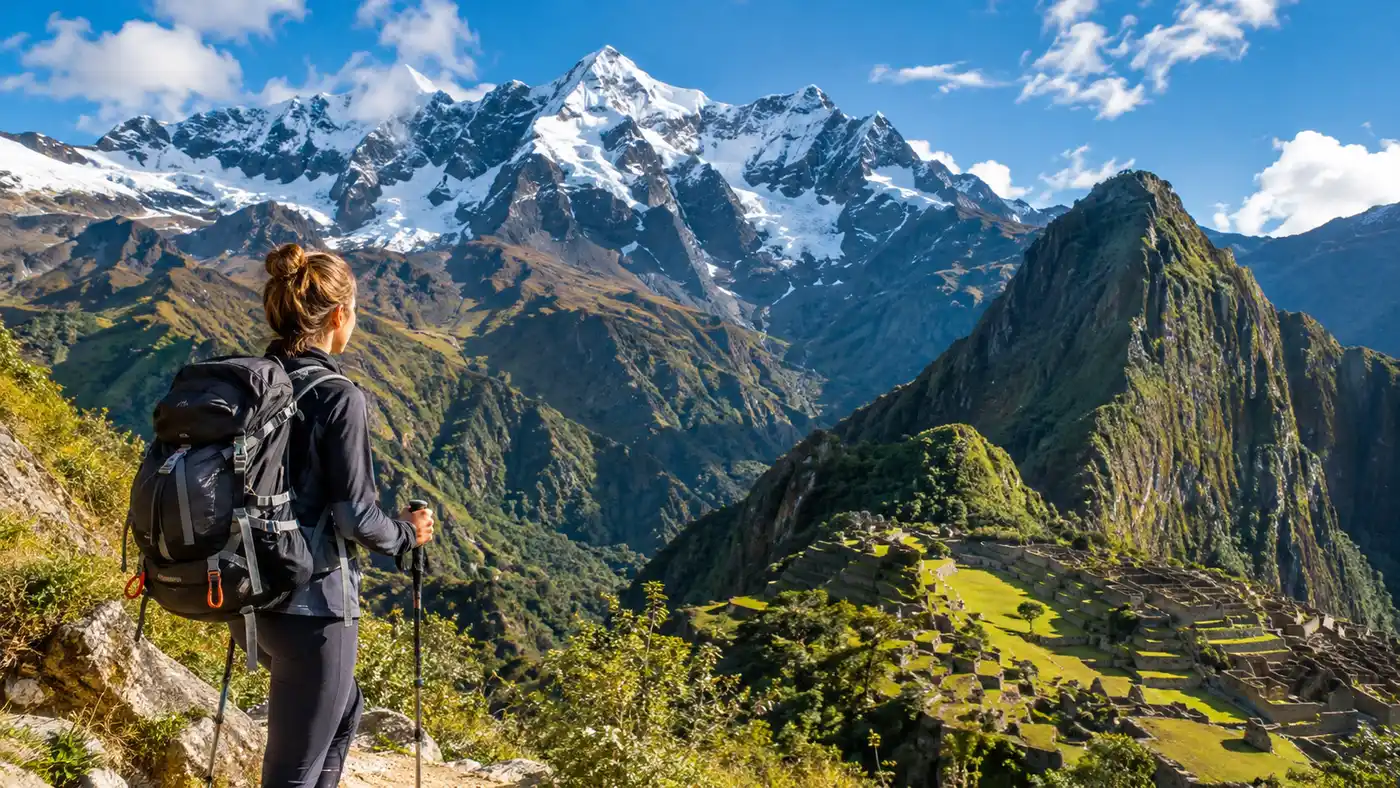
Wondering about Salkantay Trek difficulty? Read this brutally honest breakdown of high altitude, steep terrain, daily …
Continue Reading →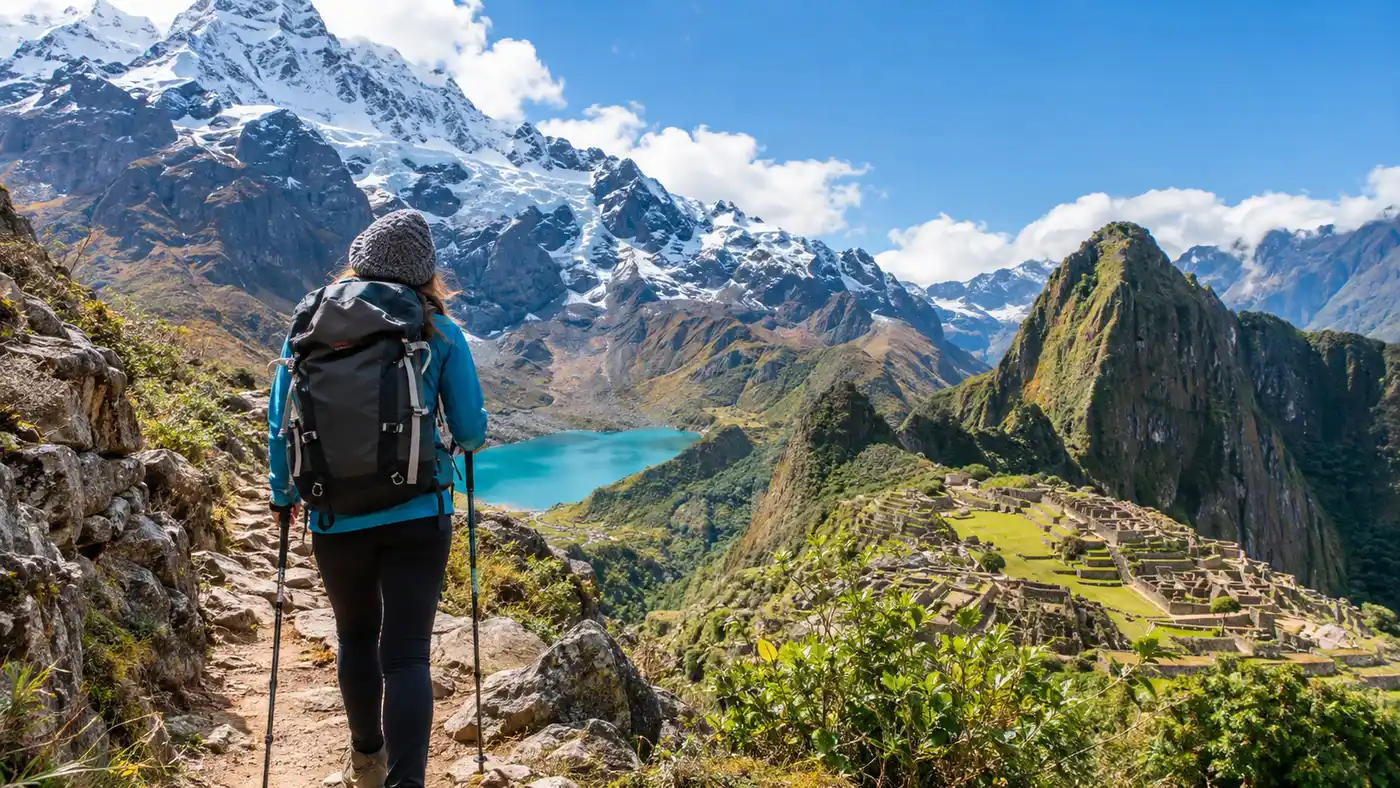
Master the Salkantay Trek packing list with our expert guide to clothing, sleeping bags, footwear, and the best gear for …
Continue Reading →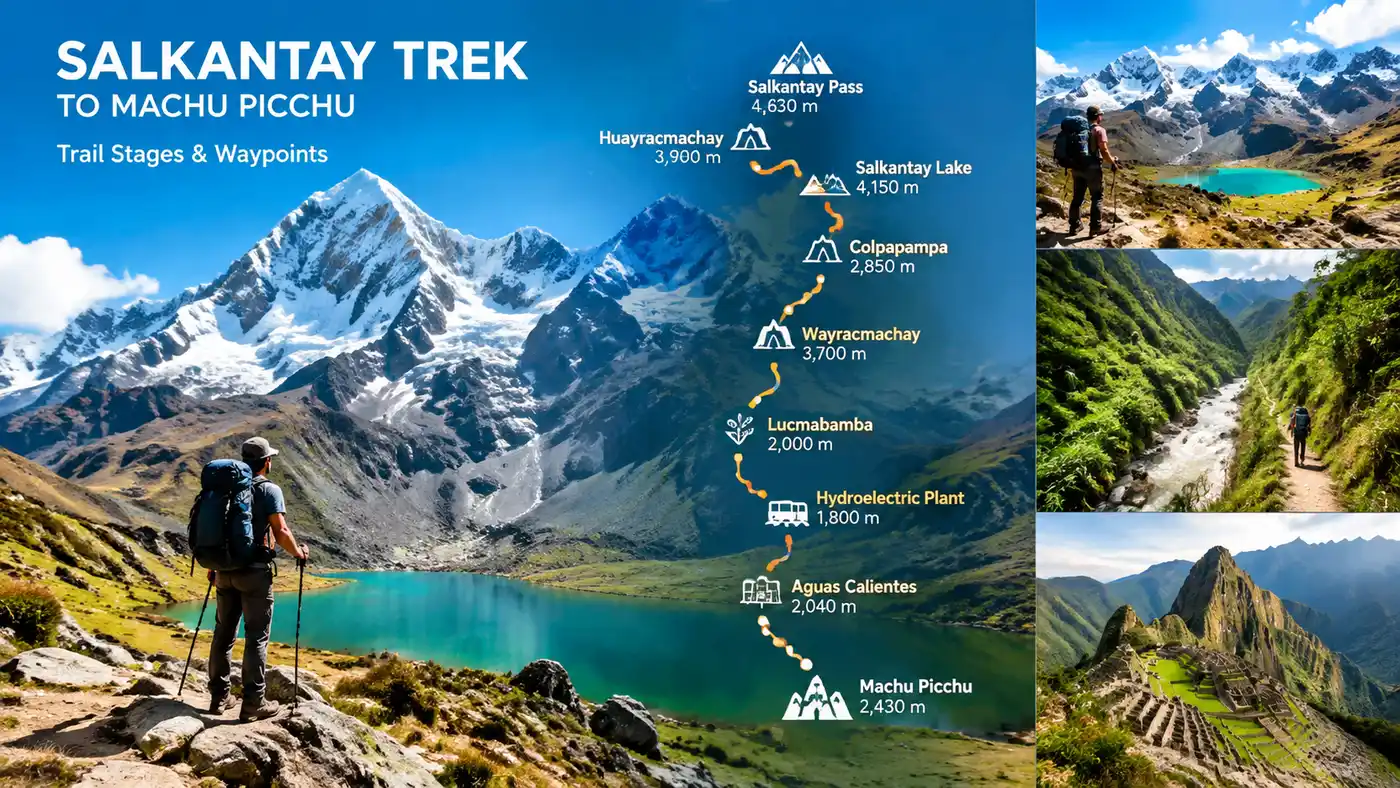
Plan your route with this detailed Salkantay trek map guide. Covers trail stages, waypoints, elevation profiles, and …
Continue Reading →Common questions about salkantay trek to machu picchu.
The classic paved route has strict caps of 500 people per day and closes entirely every February. This mountain trail is higher, tougher on the legs, and much less crowded, letting you witness true pastoral Andean life before connecting to the famous ruins.
Budget operators in Cusco charge around $350 to $450 per person for a complete five-day package. Premium outfits using private geodesic domes and providing higher porter wages generally run between $750 and $1,100.
June, July, and August have the driest trails and brightest blue skies. Shoulder months like May and September are also excellent, offering warmer nights and fewer people on the trail.
Yes, independent trekking is legal along this route. You need reliable offline maps, warm mountain-grade camping gear, and cash in Peruvian soles to pay small community pathway fees and buy hot soup from families along the way.
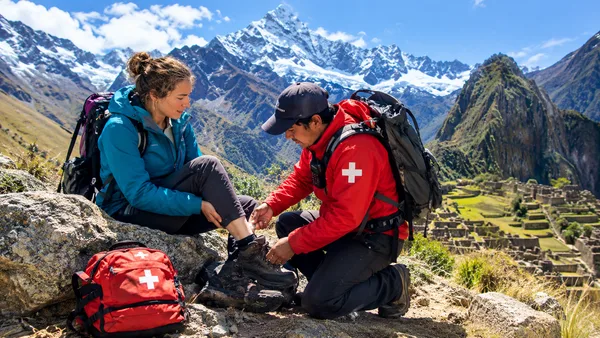
Most guides carry supplemental oxygen tanks and first-aid kits. If symptoms like severe nausea or throbbing headaches persist, the only reliable cure is heading downhill immediately toward Chaullay with a wrangler on horseback.
Small mountain homesteads charge about 5 to 10 soles to plug into their solar banks. Electricity is sporadic until you reach the village of Santa Teresa on the fourth day, so pack a solid 20,000 mAh power bank.
Rustic pit toilets or basic flush toilets are found at every established campsite. Hot showers are usually available on nights two and three for a small fee of roughly 10 soles paid directly to the local family.
Check trail elevations, browse seasonal packing checklists, and find reliable guidance for your crossing to the lost city.