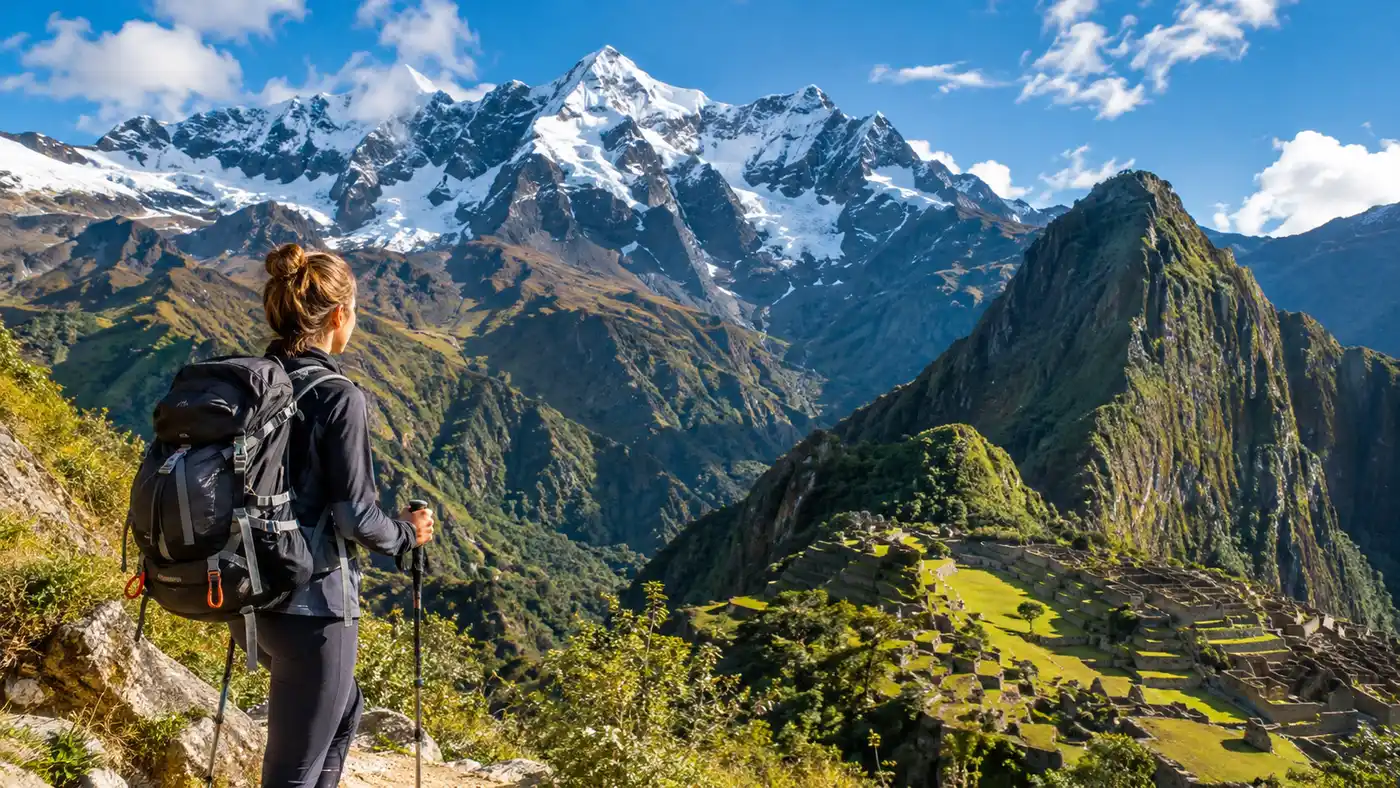
Salkantay Trek Difficulty: How Hard Is the Hike?
My alarm went off at 4:45 AM in Soraypampa, and the air inside the canvas shelter was cold enough that water had frozen in my canteen cap. Stepping outside, Salkantay peak was just a blue-white silhouette against a black sky, looking massive and genuinely intimidating. People often ask about the salkantay trek difficulty because they want a simple rating from one to ten, but mountains do not work like that. The trail is physical, messy, beautiful, and at times miserable, depending entirely on how your lungs react to sleeping at 3,900 meters.
This is not a walk in the woods. You are crossing a high Andean pass before plunging directly into a humid cloud forest, carrying your daypack across gravel moraines, slick mud, and loose granite switchbacks. If you are trying to decide whether your body can handle the walk to Aguas Calientes, you need to look at the daily mileage, the elevation profiles, and the relentless descent that ruins more knees than the uphill climbs ever do.
Book your salkantay trek to machu picchu experience:
Salkantay Trek to Machu Picchu Difficulty: Day-by-Day Breakdown
The standard classic route covers roughly 74 kilometers over five days, though shorter variations skip the first or last road sections. The total salkantay trek to machu picchu distance sounds manageable on paper when you divide it by five. Walking 15 kilometers on a flat gravel trail at sea level takes maybe three hours. Walking 15 kilometers through thin air while ascending 800 vertical meters is a completely different athletic event.
Day one starts gently from Challacancha, leading you along an old Inca aqueduct toward the windswept basin of Soraypampa. The incline is subtle until you drop your main bags and tackle the side hike up to Lake Humantay in the afternoon. That afternoon scramble is short, roughly three kilometers round trip, but it rises 350 meters steeply on loose dirt. It functions as an aggressive reality check for your lungs.
Day two is universally the hardest stretch of the entire journey. You climb from 3,900 meters up to the Salkantay Pass at 4,630 meters, crawl over the windblown summit, and then descend for hours into the upper jungle. By the time you reach Chaullay or Collpapampa, your legs feel like wet concrete. Days three and four offer warmer weather and rolling terrain, but the cumulative fatigue starts settling deep into your lower back.
| Stage | Route Overview | Distance (km) | Elevation Change | Difficulty Rating |
|---|---|---|---|---|
| Day 1 | Challacancha to Soraypampa (plus Humantay) | 13 km | +700m / -350m | Moderate |
| Day 2 | Soraypampa to Chaullay via Salkantay Pass | 22 km | +730m / -1,730m | Strenuous |
| Day 3 | Chaullay to Lucmabamba | 15 km | +100m / -850m | Moderate |
| Day 4 | Lucmabamba to Aguas Calientes via Llactapata | 18 km | +750m / -1,000m | Moderate to Strenuous |
| Day 5 | Aguas Calientes to Machu Picchu Sanctuary | 6 km | +400m / -400m | Easy to Moderate |
Day four includes an optional push over the Llactapata pass. Many budget tours bypass this ridge and take a van to the Hydroelectric station instead. Taking the high route up Llactapata adds three hours of relentless switchbacks through cloud forest, but it gives you your first distant view of Machu Picchu across the valley. It is demanding, hot, and worth every drop of sweat.
The Salkantay Pass: Altitude Versus Muscle
Nothing on this trail tests your grit like the ascent to 4,630 meters. Muscle strength barely matters if your blood cannot get enough oxygen, which is why marathon runners sometimes drop to their knees while casual hikers who spent four days acclimatizing in Cusco stroll right past them. The air contains roughly 40 percent less effective oxygen per breath at the pass than it does at the beach.
The climb up the "Seven Snakes" - a series of tight, switchbacked rocky paths near the summit - requires a methodical rhythm. Step, breath, step, breath. If you try to power through at your normal walking pace, your heart will hammer against your ribs within sixty seconds. Most people take three to four hours to cover just six kilometers of uphill on that second morning.
Note: Horsemen trail along the group during the morning of day two. If altitude sickness hits you hard, you can hire an emergency horse for around $30 to $40 to carry you to the summit, but they cannot carry you down the steep western descent.
Reaching the cairns at the summit brings an incredible rush of relief, but the downhill is where injuries happen. You drop nearly 1,800 vertical meters over the next five hours. The trail surface changes from alpine shale to slick mud and slick river stones. Every step hammers your quadriceps and puts shearing pressure on your patellar tendons. If you do not use trekking poles, your knees will ache for days afterward.
Trail Conditions and What to Expect on Salkantay Trek to Machu Picchu
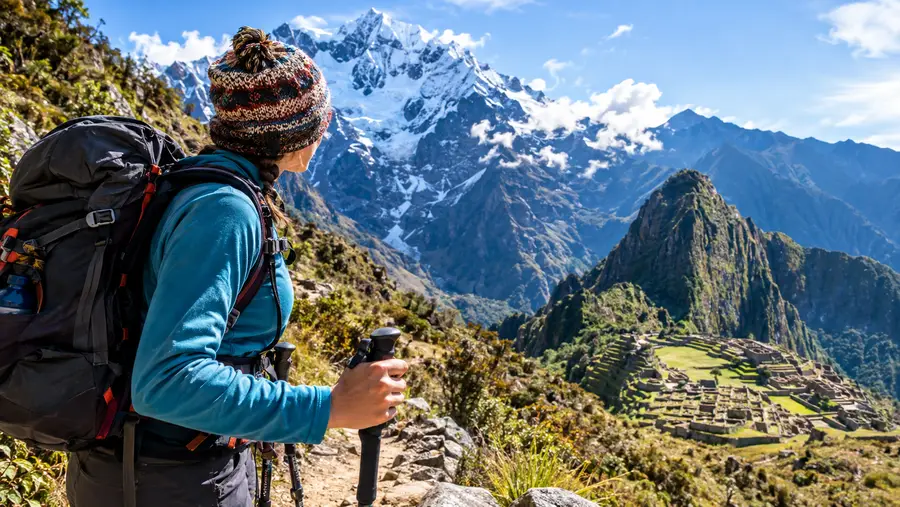
Understanding what to expect on salkantay trek to machu picchu means preparing for four different microclimates in forty-eight hours. The path does not stay consistent. It shifts from freezing high-altitude slate to red clay, exposed granite ledges, and overgrown jungle tracks crisscrossed by wet tree roots.
Rain changes everything out here. Between November and April, afternoon downpours turn regular dirt paths into slick mud chutes. Even in the dry season between June and August, morning frost melts into slick mud on the high passes, and mossy river crossings near Lucmabamba require steady footing. You will step on loose rocks that roll beneath your boots, and you will walk along narrow cliff edges carved into the Santa Teresa valley.
Pro tip: Pack two pairs of lightweight hiking socks in a dry bag inside your daypack, because stepping into a deep mud bog on day three will ruin your afternoon if you cannot change into dry wool immediately.
Here are the primary terrain hazards you need to plan for:
- Scree and loose shale: The descent from Salkantay Pass consists of shifting, unstable rock where boots slip easily without solid tread.
- Exposed dirt switchbacks: The climb to Llactapata features steep dirt steps that turn greasy when tropical showers roll through the valley.
- Cobblestone steps: Ancient Inca staircases on the final descent to the Aobamba river are irregular, slick with moss, and spaced awkwardly.
- Flat railway ballast: The final ten kilometers from Hydroelectric to Aguas Calientes follows train tracks over uneven railway gravel that fatigues the soles of your feet.
Book your salkantay trek to machu picchu experience:
How Long Machu Picchu Hike Days Actually Feel
When prospective trekkers ask how long is the salkantay trek to machu picchu, they usually want hours per day rather than total kilometers. The daily rhythm is relentless. You wake before dawn, pack your duffle bag, eat a quick breakfast of porridge or eggs, and start walking by 6:00 AM. Most days involve five to eight hours of active movement with occasional rest stops.
The psychological toll creeps up on day three. You are tired from sleeping on thin mats, your clothes smell faintly of woodsmoke and sweat, and your joints are stiff. Day three is technically shorter, about five to six hours of gentle downhill walking, but the tropical heat hits you hard after the alpine cold. Midges and biting sandflies appear the moment you descend below 2,500 meters, swarming any exposed ankles or wrists.
The answer to how long machu picchu hike stretches depends on your pace along the railway line on day four. That three-hour trudge on flat ground feels endless because you have already walked fifteen hilly kilometers earlier that morning. Your pack feels twice as heavy, the gravel shifts underfoot, and you are just waiting for the hotels of Aguas Calientes to appear around the next river bend.
Fitness Preparation: How to Train for the Trail
You do not need to be an elite athlete to complete this trek. Thousands of regular people finish it every season, including retirees and teenagers. What you do need is aerobic stamina and solid eccentric leg strength, which is the type of muscular control required to walk downhill for hours without your knees buckling.
Gym workouts that focus purely on flat treadmill running will not prepare you well. Your cardiovascular system needs to handle sustained, low-speed strain under reduced oxygen, while your calves and ankles must stabilize on uneven ground. Stair climbers, weighted lunges, and weekend hill hikes with a loaded backpack make all the difference.
- Stair training with weight: Spend forty minutes twice a week on a stair climber wearing a ten-pound daypack to build calf and glute resilience.
- Long weekend trail walks: Do back-to-back four-hour walks on natural, uneven dirt trails rather than smooth suburban pavement.
- Eccentric leg loading: Add Bulgarian split squats and slow step-downs to your gym routine to bulletproof your knees for the 1,700-meter pass descent.
- Acclimatization days: Spend at least forty-eight hours resting, walking slowly, and hydrating in Cusco before stepping onto the trailhead at Challacancha.
The time you spend acclimatizing in Cusco at 3,400 meters is far more valuable than an extra week of gym workouts at home. If you fly into Cusco from sea level on a Monday and begin the Salkantay trek on Tuesday morning, your odds of suffering severe nausea, splitting headaches, and failure at the pass increase dramatically. Give your body time to make red blood cells.
Frequently Asked Questions about salkantay trek difficulty
Is the Salkantay Trek harder than the Classic Inca Trail?
Yes, physically it is significantly more demanding. Salkantay climbs nearly 400 meters higher than Dead Woman's Pass on the Inca Trail, covers more total kilometers, and features rougher, less manicured trails with steeper daily descents.
Can you hike the Salkantay Trek without a guide?
You can legally do it independently, but carrying a heavy 15-kilogram backpack with your own tent, sleeping bag, and food dramatically increases the physical strain. Most independent hikers find the pass brutal under full expedition weight.
What happens if I cannot make it over the high pass?
Guides monitor your pace and breathing closely on day two. If you show symptoms of acute mountain sickness, they will put you on a horse to reach the pass or turn you around with an assistant guide to return toward Mollepata.
Are trekking poles really necessary for this hike?
They are practically mandatory. The descent from Salkantay Pass to Chaullay drops 1,730 meters on loose shale and mud. Trekking poles take roughly twenty percent of the load off your knees, preventing severe joint inflammation.
Quick Reference
- Highest point: 4,630 meters (Salkantay Pass)
- Total distance: Roughly 74 kilometers (5-day route)
- Hardest day: Day 2 (22 km, 10 hours of trekking)
- Trail difficulty: Strenuous, primarily due to altitude and steep descents
Book your salkantay trek to machu picchu experience:
My Honest Take
The Salkantay trail earned its reputation honestly. It will chew through your endurance if you arrive cocky, dehydrated, or straight off an international flight without resting in Cusco. The cold at Soraypampa bites deep, the switchbacks below the glacier feel like they will never end, and your legs will ache in ways you forgot they could. Yet when the cloud bank peels back from the blue seracs of Mount Salkantay and you realize you climbed up there on your own two feet, the soreness disappears completely. Treat the elevation with respect, bring good poles, lace your boots tight, and take the mountain one slow breath at a time.
Read more about salkantay trek to machu picchu.